Soseki's Tokyo: A Literary Walking Trail
Follow Natsume Soseki across three of his novels and three Tokyo neighborhoods — from the backstreet where I Am a Cat began, through Sanshiro's university campus, to the cemetery where Kokoro ends and Soseki himself is buried.
Works featured in this guide
Natsume Soseki wrote almost all of his major fiction while living in Tokyo, and three of his best-known novels line up into a single day of walking and short train hops across the city's older, quieter wards.
This trail starts where his career as a novelist effectively began, follows a student's arrival at the university at the city's center, and ends at the cemetery where one of his own novels' saddest scenes plays out — and where Soseki himself is buried.
Stop 1: Sendagi — where I Am a Cat began
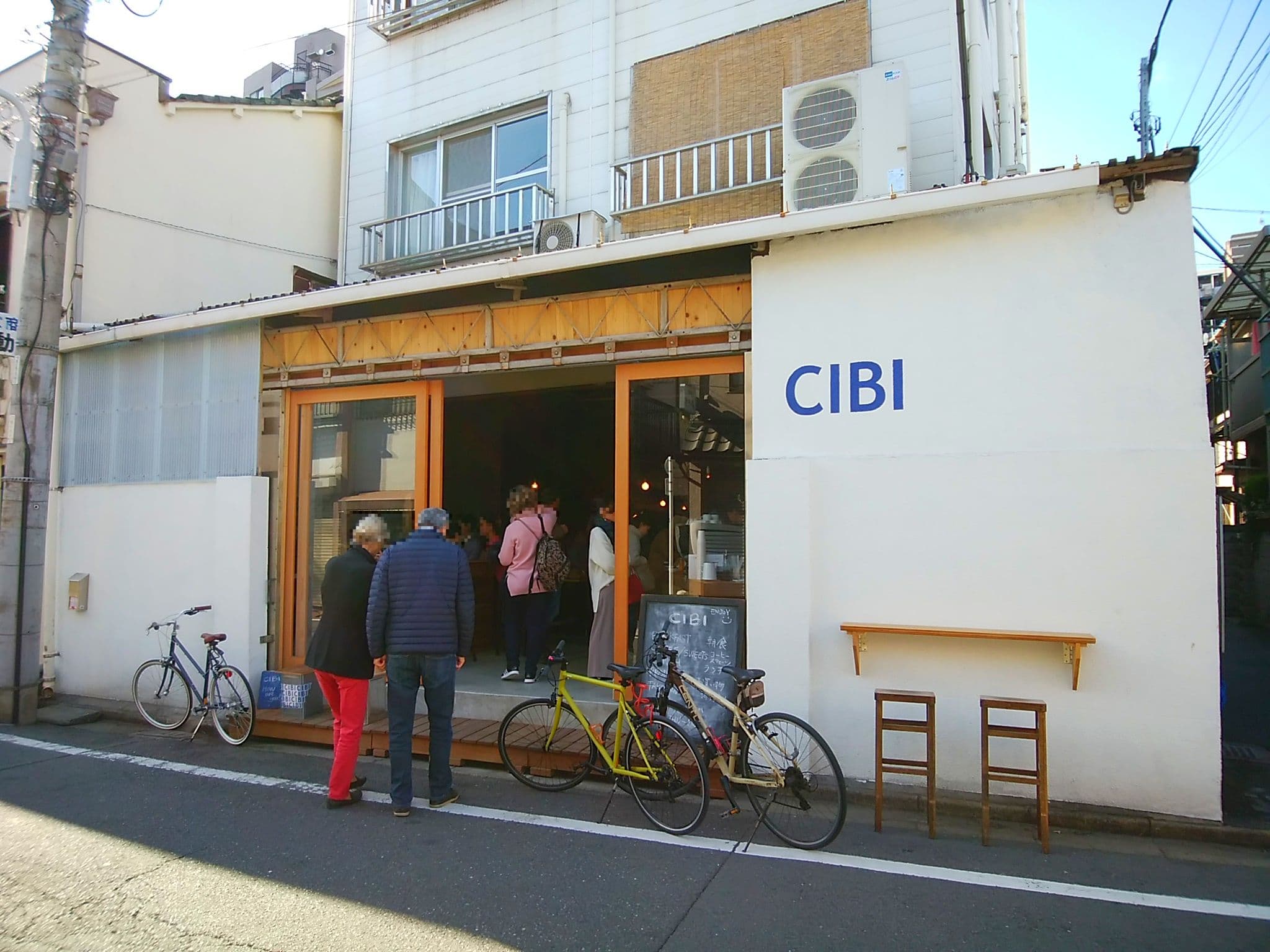
In 1904, a stray kitten wandered into the house Soseki was renting in Sendagi, in Tokyo's Bunkyo Ward, and he started writing about it. That cat became the unnamed narrator of I Am a Cat.
The house itself no longer stands on the site, but a stone monument at Mukogaoka 2-20-7 — inscribed by novelist Yasunari Kawabata — marks it, on a quiet residential backstreet in one of Tokyo's better-preserved old shitamachi neighborhoods. The full guide covers this stop plus the actual house, since relocated to a museum outside Nagoya: Following I Am a Cat from Tokyo to Aichi.
Stop 2: Hongo Campus — Sanshiro's arrival in Tokyo
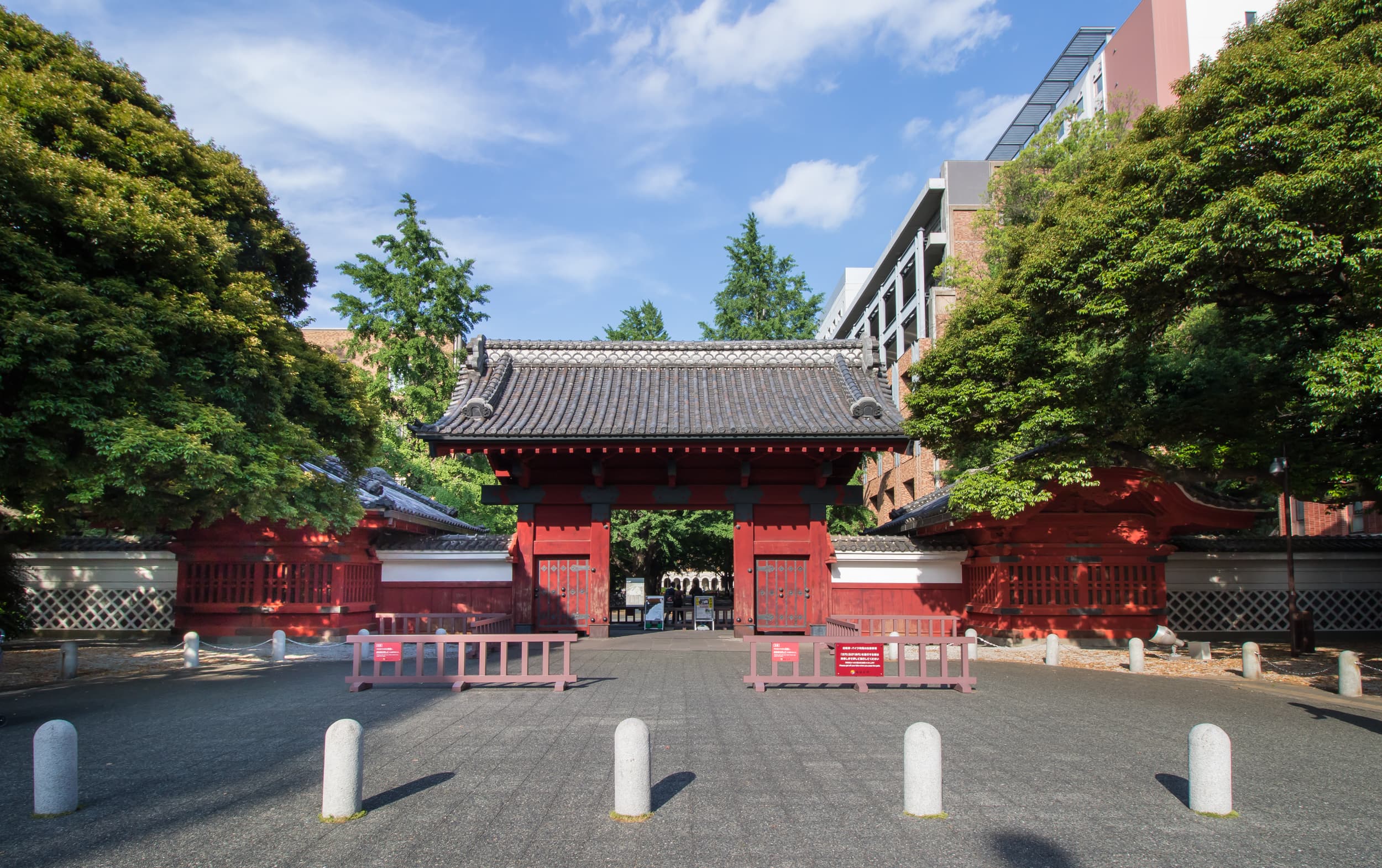
Sanshiro (1908) follows a young man's first overwhelmed weeks at Tokyo Imperial University — today's University of Tokyo — and the Hongo campus is close enough to unchanged that one of its ponds now carries the title character's name.
Sanshiro's own route in, through the Akamon ("Red Gate"), is written into the novel almost verbatim. The gate is currently closed for restoration until September 2027, but the rest of the walk — and Sanshiro Pond itself — is freely open. Full route and station details: Following Sanshiro to Tokyo.
Stop 3: Zoshigaya Cemetery — where Kokoro ends, and where Soseki is buried

Kokoro (1914), Soseki's best-known novel in Japan, closes around a Tokyo grave that Sensei, the novel's central figure, visits every month. Soseki himself is buried in that same cemetery — an unusually tall, armchair-shaped tomb in Section 1, Block 14 — and some scholars have traced the novel's description of the visit almost word-for-word back to Soseki's own diary.
It's a quiet, sobering place to end the trail. Full details, plus Kokoro's other real setting on the Kamakura coast, are in Following Kokoro to Kamakura and Tokyo.
See the full route on Google MapsPractical travel notes
- Order and pacing: Sendagi, Hongo, and Zoshigaya all sit within Tokyo's Bunkyo and Toshima wards, a compact area in north-central Tokyo — a short subway hop or two apart rather than a full crosstown trip. All three fit comfortably into one day, with time left over for the Nezu/Sendagi backstreets or Koishikawa Botanical Garden.
- Best time to visit: Any season works for all three stops; spring and autumn are more comfortable for the walking between them.
- Base yourself in: Tokyo throughout — no overnight travel required.
- Language: All three stops are well within normal tourist infrastructure.
Tabi Tales may earn a commission from hotel, tour, and book links on this page at no extra cost to you. See our affiliate disclosure for details.