Osamu Dazai, Natsume Soseki, Junichiro Tanizaki · Kanto, Kanagawa
Kamakura & Yokohama: A Literary Coast
One coastal route south of Tokyo, three novels — the Kamakura cape where Dazai nearly died, the beach where Kokoro begins, and the Yokohama hillside Tanizaki lived out in Naomi.
Works featured in this guide
Kamakura and Yokohama sit on the same stretch of coast southwest of Tokyo, a short train ride apart — and between them, they hold real settings from three very different novels.
This route follows the coast from Kamakura's Enoden line into Yokohama's old foreign quarter, all reachable as a single long day trip from Tokyo, or a more relaxed overnight.
Stop 1: Koyurugi-misaki, Kamakura — the cape behind No Longer Human
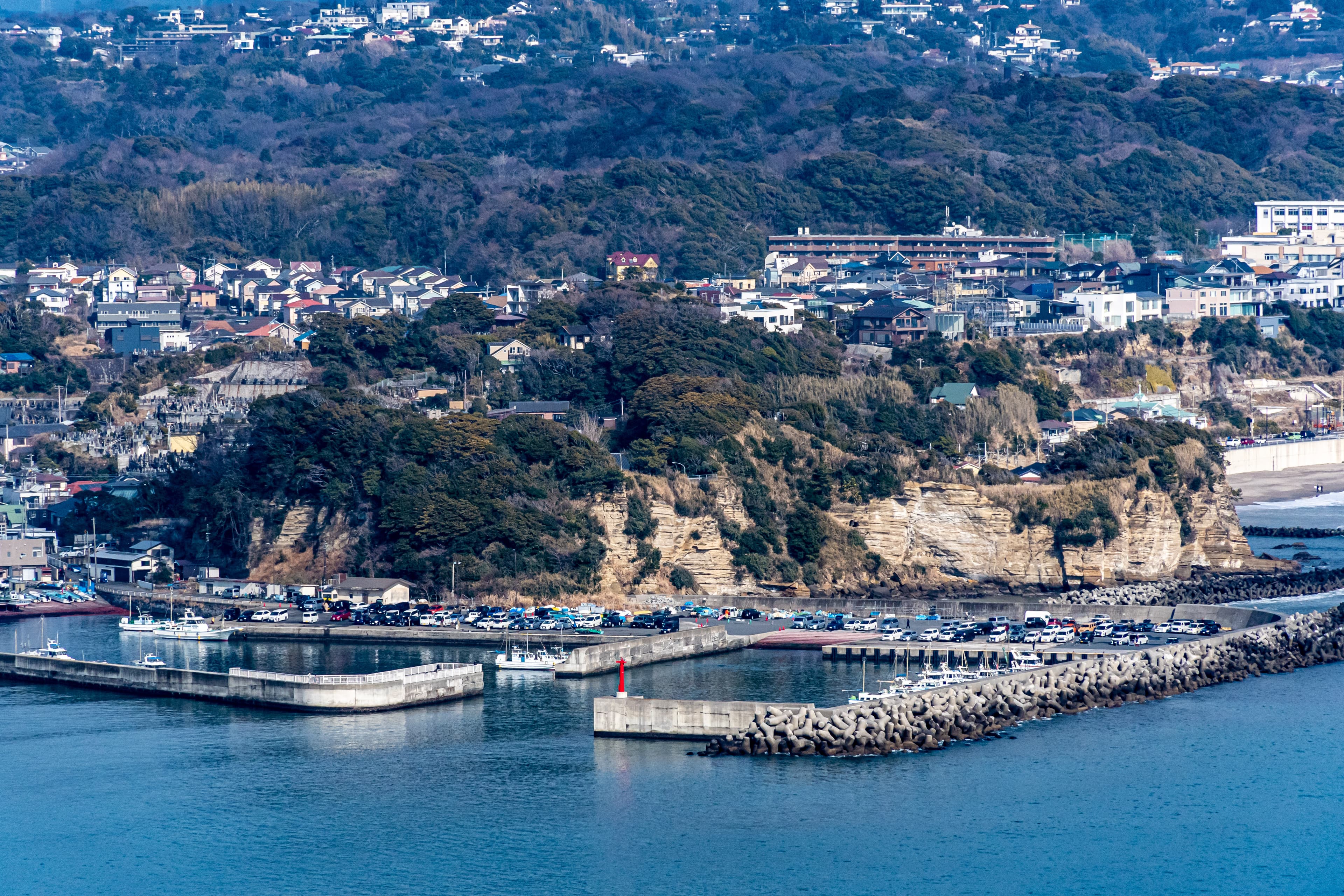
The pivotal scene in Dazai Osamu's No Longer Human has its narrator attempt suicide with a bar hostess on the Kamakura coast. Dazai drew this directly from his own life: in 1930, at 21, he attempted the same thing at this small cape with a 19-year-old bar hostess, who died. He survived.
Koyurugi-misaki is still there today — a quiet point between Shichirigahama and Koshigoe beaches, with a shrine at its tip and a view toward Enoshima. Full details: Following No Longer Human to Tokyo and Kamakura.
Stop 2: Yuigahama Beach, Kamakura — where Kokoro begins
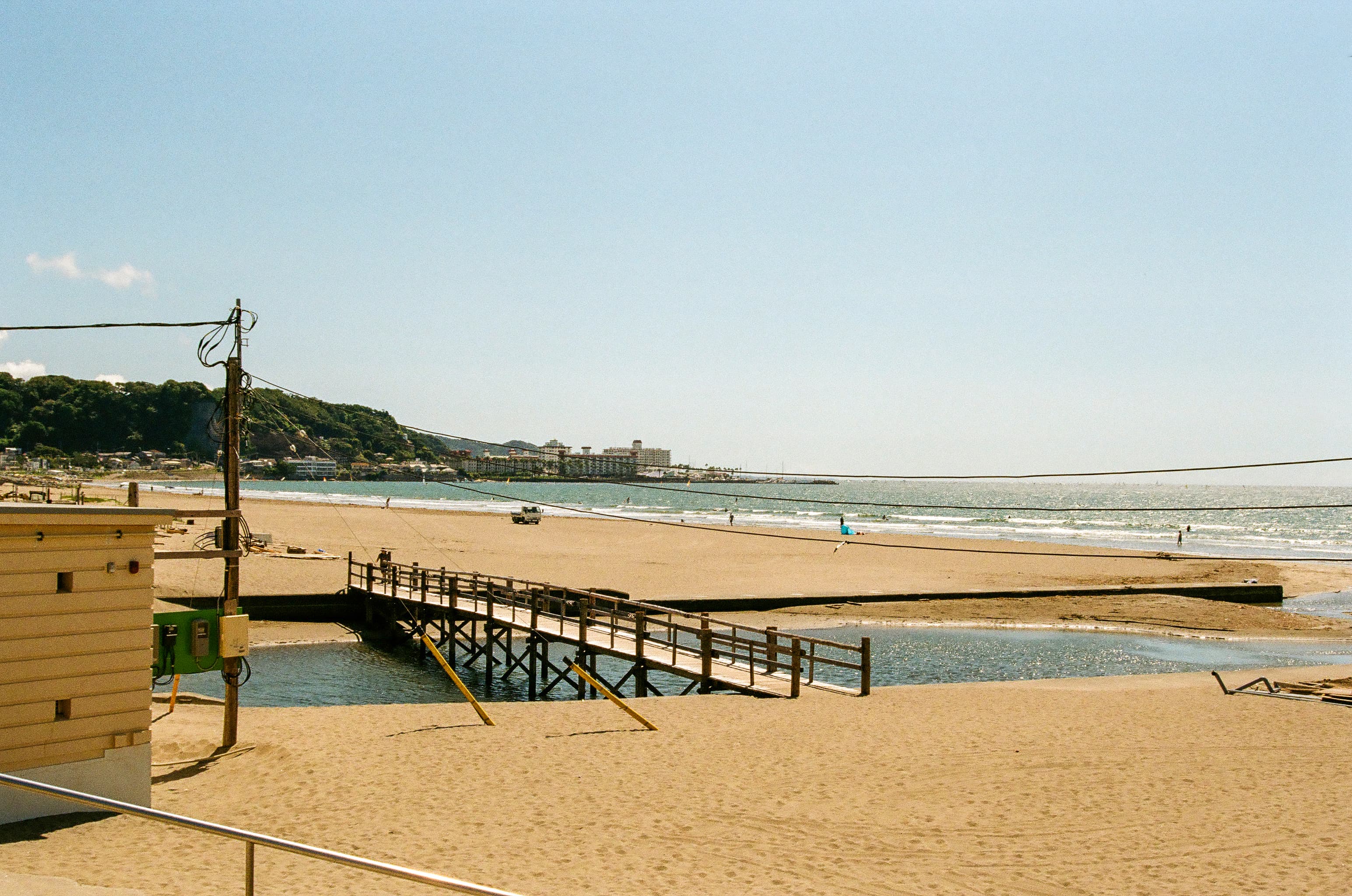
Yuigahama Beach, a short ride away on the same Enoden line, is the mainstream real-world identification for the opening scene of Soseki's Kokoro, where the narrator first notices the man he'll come to call Sensei.
It pairs naturally with Kamakura's temples and shrines. Full details, plus Kokoro's Tokyo-side setting: Following Kokoro to Kamakura and Tokyo.
Stop 3: Yamate, Yokohama — the hillside Tanizaki lived out in Naomi
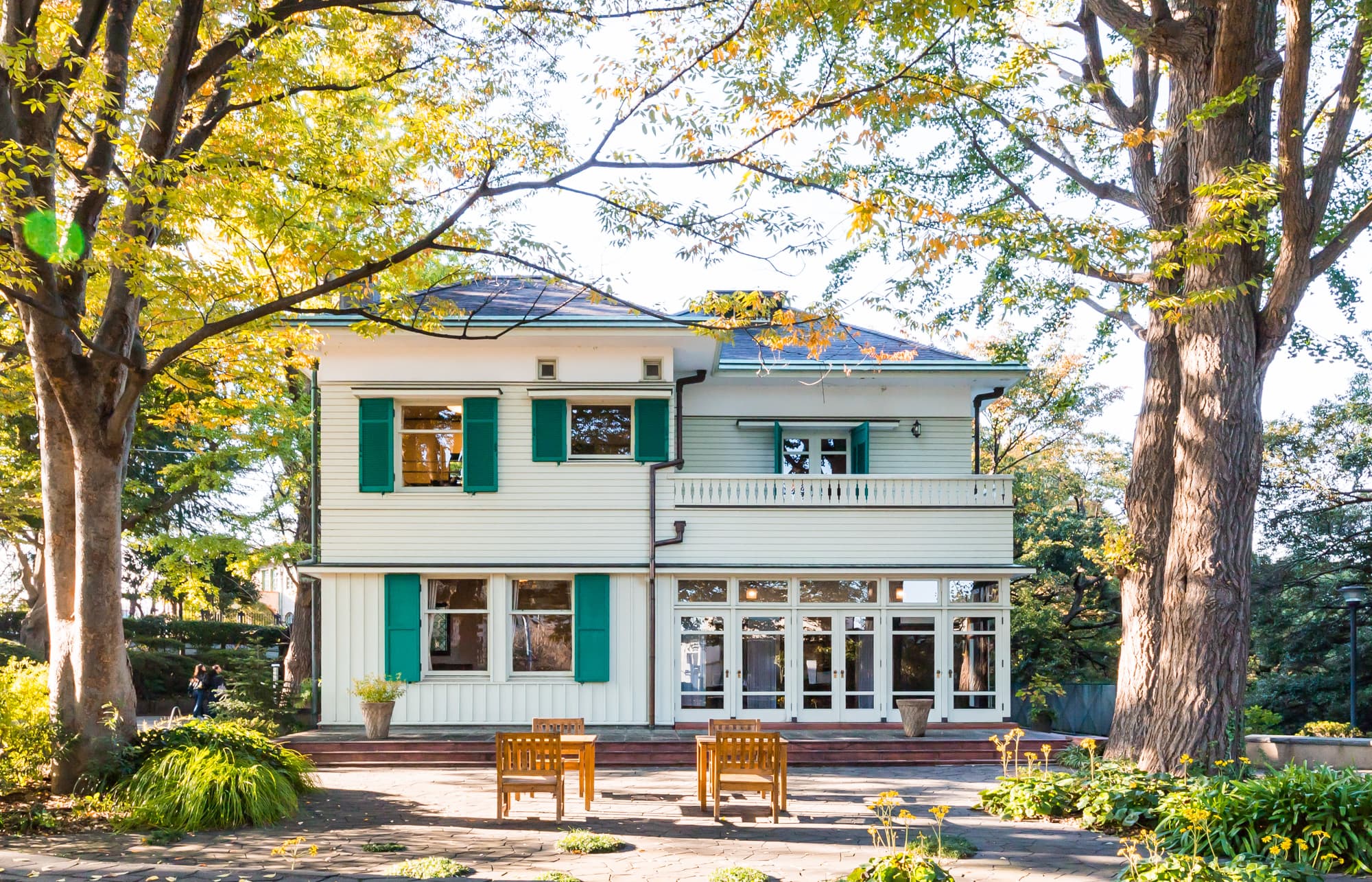
From Kamakura, it's roughly half an hour by train to Yokohama, where Junichiro Tanizaki's 1924 novel Naomi closes in the old foreign settlement on the Yamate bluff — the same neighborhood Tanizaki himself moved to in 1922, taking up the ballroom dancing and Western dress he later gave his characters.
A cluster of preserved Western-style houses, centered on the Ehrismann Residence, is open to the public for free. Full details: Retracing Naomi to Yokohama's Foreign Quarter.
See the full route on Google MapsPractical travel notes
- Order and pacing: Koyurugi-misaki and Yuigahama are both on the Enoden line within Kamakura, combined with a short ride on the same line; Yokohama is a separate onward leg, roughly 30 minutes by train from Kamakura. Treat this as either one full day covering all three, or Kamakura and Yokohama as two separate half-day trips.
- Best time to visit: Kamakura gets crowded on summer weekends; a weekday or off-season visit is quieter for both beaches. Yamate's gardens are especially pleasant in spring.
- Base yourself in: Tokyo, with all three stops reachable as day trips — standard IC cards (Suica/Pasmo) work throughout.
Tabi Tales may earn a commission from hotel, tour, and book links on this page at no extra cost to you. See our affiliate disclosure for details.